Mushrooms in your morning coffee? A few years ago that would have sounded a bit out there. These days Lion’s Mane, Reishi and Cordyceps turn up in everything from lattes to smoothies, and they have centuries of tradition behind them.
They are what people call medicinal, or functional, mushrooms, and they usually come as a concentrated powder you stir straight into food and drink. This guide walks through what each one is like, how to tell a good mushroom extract from a weak one, and easy ways to use them.
What Are Medicinal Mushroom Extracts?
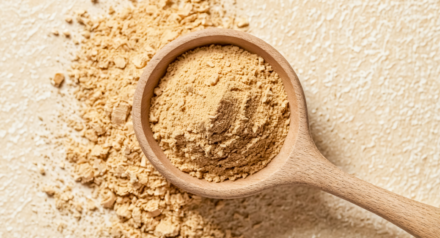
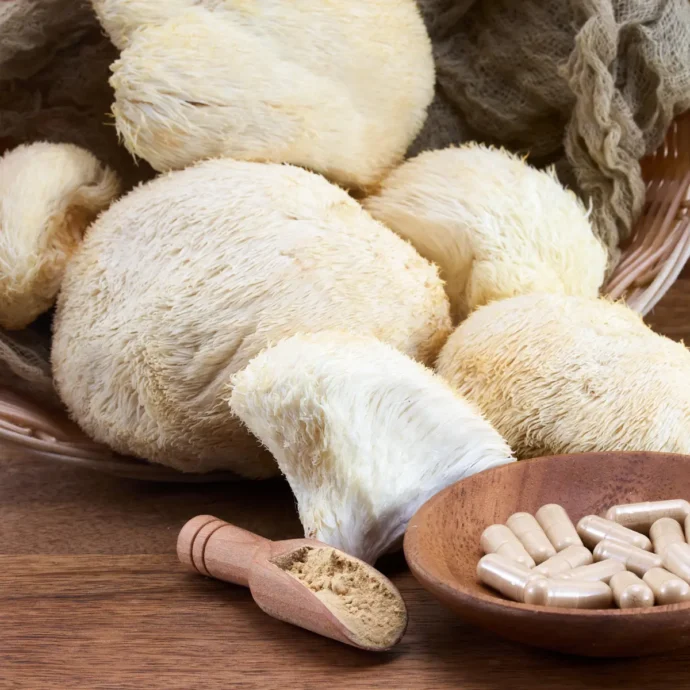
The name sounds clinical, but the idea is simple. These are everyday mushrooms that have been dried and concentrated into a fine powder, so instead of cooking with them you can spoon a little into a drink or a bowl.
The word to look for is full-spectrum, which just means the powder captures the whole mushroom rather than one isolated part. The best are made from the fruiting body, the actual mushroom you would recognise, and concentrated down (often to a 10:1 extract), so a small spoonful goes a long way. That concentration is the main reason people reach for an extract over a plain mushroom powder.
Lion’s Mane
Lion’s Mane is the shaggy, white one that looks a bit like a pom-pom, and it is the gateway mushroom for most people. Lion’s Mane extract powder has a mild, almost savoury taste that vanishes into a coffee or smoothie without anyone noticing, which is exactly why it is the most popular of the three. If you would rather cook with it, this guide to making Lion’s Mane part of everyday cooking is full of easy ideas.
Reishi
If Lion’s Mane is the morning mushroom, Reishi is the evening one. It is a glossy, woody mushroom with a deeper, earthier, slightly bitter taste, so it tends to find its way into a warm drink, a soup or a bedtime cocoa rather than a fruity smoothie. Reishi extract powder has been part of traditional practices for a very long time, and it suits a quieter moment at the end of the day.
Cordyceps
Cordyceps is the wild card. In the wild it has a famously strange habit of growing on insects high in the Himalayas, which made it rare and prized for centuries. The kind you actually buy is grown cleanly on plant-based material, so it is all of the intrigue and none of the caterpillars. Cordyceps extract powder has a mild, earthy flavour, blends easily into a smoothie, and tends to be a morning favourite.
How to Choose a Mushroom Extract
The shelves are filling up with mushroom powders, and they are not all equal. A few quick checks tell you a lot:
- Full-spectrum, rather than one isolated part
- Made from the fruiting body, not grain-grown mycelium
- Organic where possible, with no colours, preservatives or fillers
- Concentrated, like a 10:1 extract, so a little goes a long way
Get those right and you are most of the way to a good one.
How to Use Mushroom Extracts Every Day
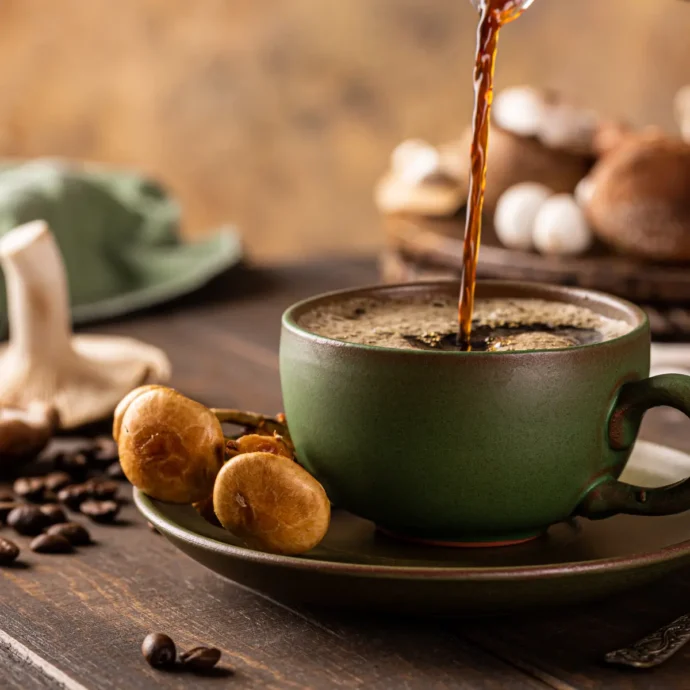
The beauty of a powder is how easily it disappears into things you already make. For more ideas, have a browse through these recipe ideas, or start here:
- Stir half a teaspoon into a morning coffee or latte
- Blend into a smoothie with banana and cacao
- Whisk into a warm, milky evening drink
- Add to soups, broths or stews
- Mix into porridge or overnight oats
Start small, around half a teaspoon, and find the routine that suits you. If drinks are your thing, this guide to functional drinks for modern wellness is a good next read.
Bringing Mushrooms Into Your Routine
Lion’s Mane, Reishi and Cordyceps each have their own character, from the pom-pom in your coffee to the wild one from the mountains, but they share the same easy, food-first appeal. With any medicinal mushroom extract, the trick is to pick a clean, full-spectrum one, keep the spoon small, and let it become a quiet daily habit.