Chlorella has one of the most exaggerated reputations on the internet.
Search “chlorella benefits” and you’ll find claims about detox, immunity, cholesterol, even weight loss. Big promises. Underwhelming proof.
Strip all of that away and there’s still a genuinely interesting ingredient underneath. Here’s what chlorella actually is, not what the headlines say it does.

What Chlorella Actually Is
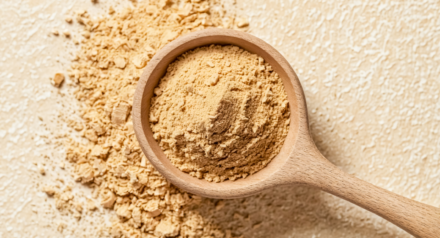
Chlorella is a single-celled green algae, grown in fresh water and dried into a fine powder or pressed into tablets.
It’s been part of food and supplement routines for decades, long before “superfood” became a marketing word. Underneath the hype, it’s a nutrient-dense whole food. NUA’s chlorella is processed with broken cell walls to make it easier to digest and absorb.
The Real Chlorella Benefits
No mystery ingredients here. NUA’s Organic Chlorella Powder is high in vitamin B12, vitamin E, protein and iron, and naturally sugar free.
Vitamin B12 contributes to normal energy-yielding metabolism and red blood cell formation. Vitamin E helps protect your cells from oxidative stress. Protein plays its part in growing and maintaining muscle. Iron keeps oxygen moving around the body.
These aren’t dramatic claims. They’re the nutrients listed on the product label, rather than promises about what chlorella can magically do.
That’s the whole point.
Chlorella vs Spirulina
They’re often mentioned in the same breath, and both are green algae, but they’re not the same thing.
Chlorella has a deeper colour and a grassier, more mineral taste. Spirulina is milder and blends more easily into a fruity smoothie.
Nutritionally they overlap, but they’re not identical. Chlorella is particularly notable for its B12 and iron content, while spirulina is also valued for its protein content. If you’re comparing the wider category, our complete guide to greens powders walks through spirulina, chlorella and wheatgrass side by side.

This Is Where NUA's Chlorella Stands Apart
Plenty of chlorella on the shelf is unclear about sourcing, processing or purity.
NUA’s Organic Chlorella Powder is organic, made with broken cell walls, and sugar free.
Prefer no mixing, no measuring? The Organic Chlorella Tablets offer the same simple chlorella ingredient in a convenient grab-and-go format, ideal for a bag, a desk drawer or a weekend away.

How to Use Chlorella Daily
Keeping it simple is what makes it stick. You can:
–Stir a teaspoon of powder into a morning smoothie or juice
–Mix into water or coconut water for a quick daily habit
–Add to overnight oats or a bowl of yoghurt
–Take 4-8 tablets a day if you’d rather skip the powder altogether
–Start with a smaller amount and gradually work up to the recommended daily amount
If you want more ways to bring greens into a normal week, our guide to spirulina, the green superhero has more everyday ideas worth trying.
Keeping Chlorella Honest
Chlorella doesn’t need dramatic claims to earn its place in your routine. Real nutrients, real sourcing, real usefulness, no exaggeration required.
Chlorella is a food, not a medicine. If you’re pregnant, breastfeeding, on medication or managing a health condition, it’s worth checking with a pharmacist or GP before adding it to your routine.
One change, big difference. That’s what the real chlorella benefits actually look like.
A Few More Questions, Answered
What about chlorella and detox?
Chlorella is often marketed as a “detox” ingredient, but that’s not a claim we make here. Your liver and kidneys already play a key role in the body’s natural waste-removal processes, and chlorella isn’t a substitute for that.
What’s actually in chlorella, in short?
Vitamin B12, vitamin E, protein and iron, matching what’s on the product label, nothing more dramatic than that.
Chlorella or spirulina, which one should I choose?
Both are green algae with overlapping nutrients, but they have different nutritional profiles. Chlorella is particularly notable for its B12 and iron content, while spirulina is valued for its protein content. Some people use both.
Powder or tablets, which is better?
Neither is inherently better. Both provide chlorella, but the format is different. The powder blends easily into smoothies, drinks and food, while the tablets are a convenient option when you’re travelling or don’t want to mix anything.
What about chlorella side effects?
Chlorella is a food ingredient, not a medicine. If you have any health conditions, take medication, or are pregnant or breastfeeding, speak to a pharmacist or GP before adding any new supplement to your routine.